
December 10, 2025: Theatre Yesterday and Today, by Ron Fassler.
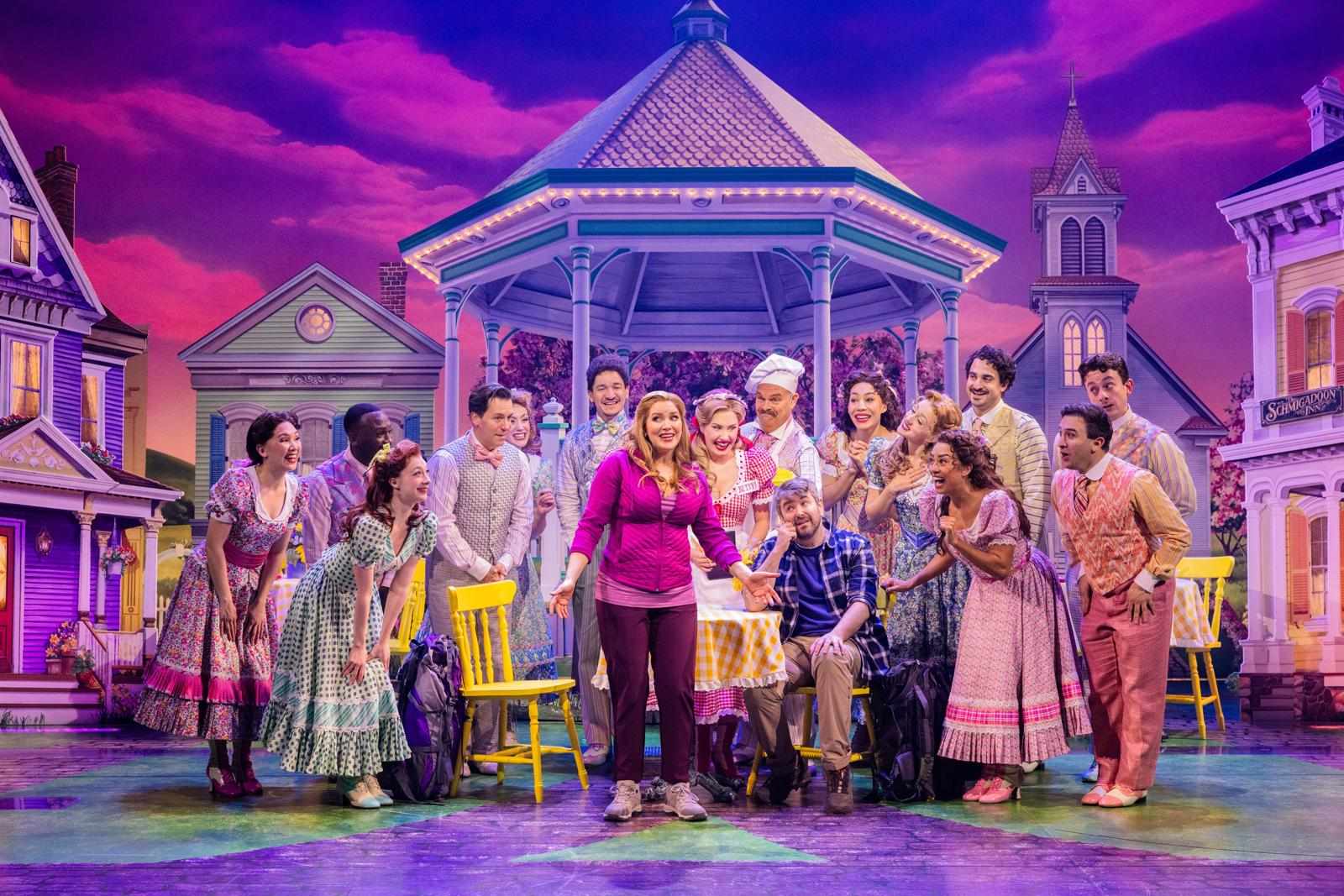
As an inveterate theatergoer since the age of twelve, I've chronicled in these columns and elsewhere about the days when I saw shows on a weekly basis in the late 60s and early 70s. I've also made it known that by the end of 1972, I was burned out by having seen two hundred shows in four years (I was all of fifteen). I stopped going practically altogether due to becoming depressed at the diminishing returns of so many plays and musicals (it had been a bad fall and early winter). Eleven plays closed over six-months averaging ten performances each, disastrous in any economic climate. Fifty-three years later, we have Queen of Versailles on the chopping block, folding eleven days from now after a failed seven-week run. Imagine ten shows like Versailles over a six month-period and you’ll have an idea of the devastating impact on audiences (and producers) back then. In addition to that, even die-hard theatre lovers were feeling decreasingly comfortable going to a seedy Times Square after dark. It was not a good time.
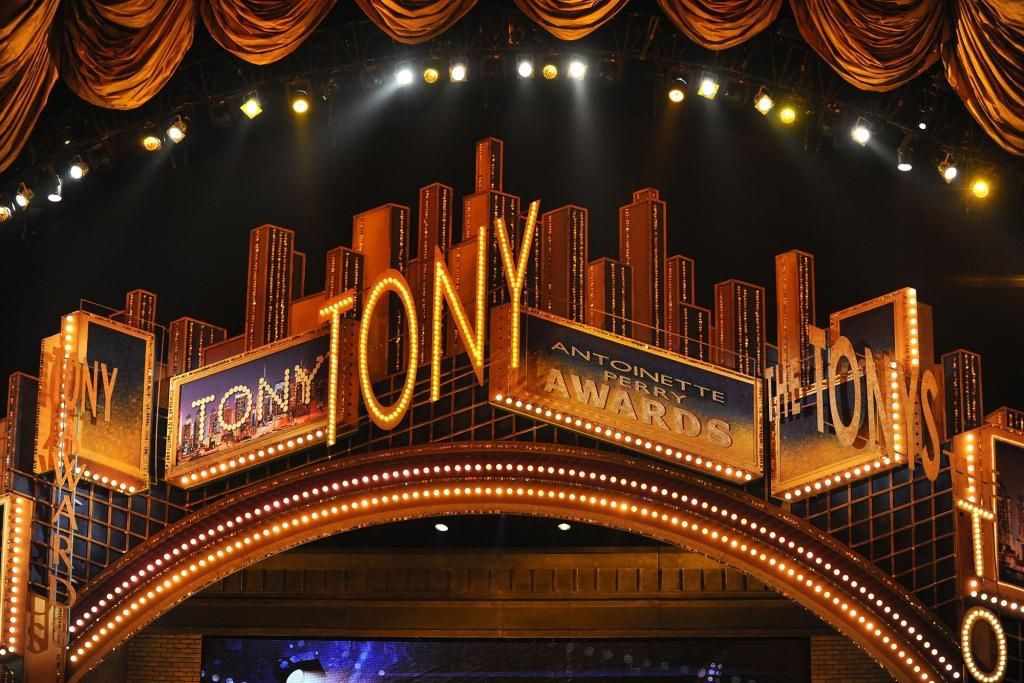
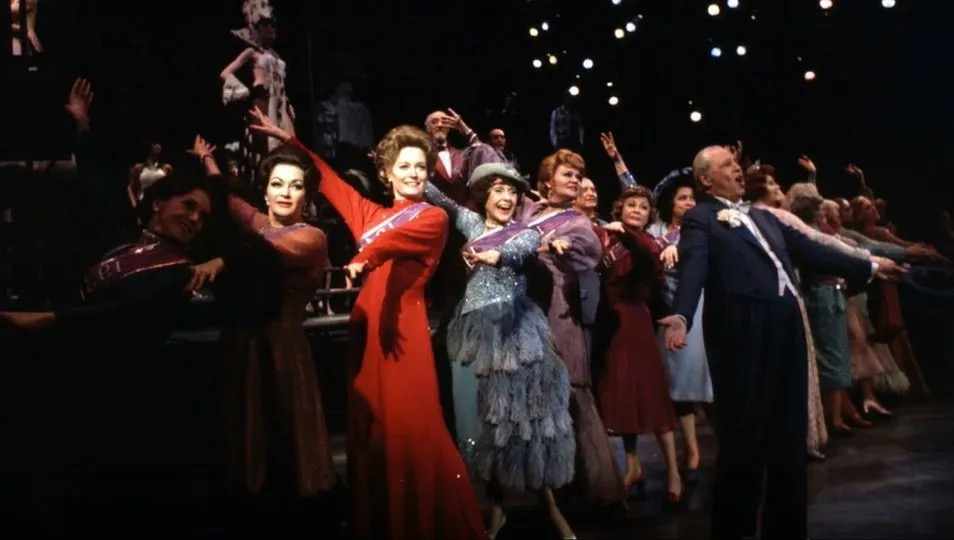
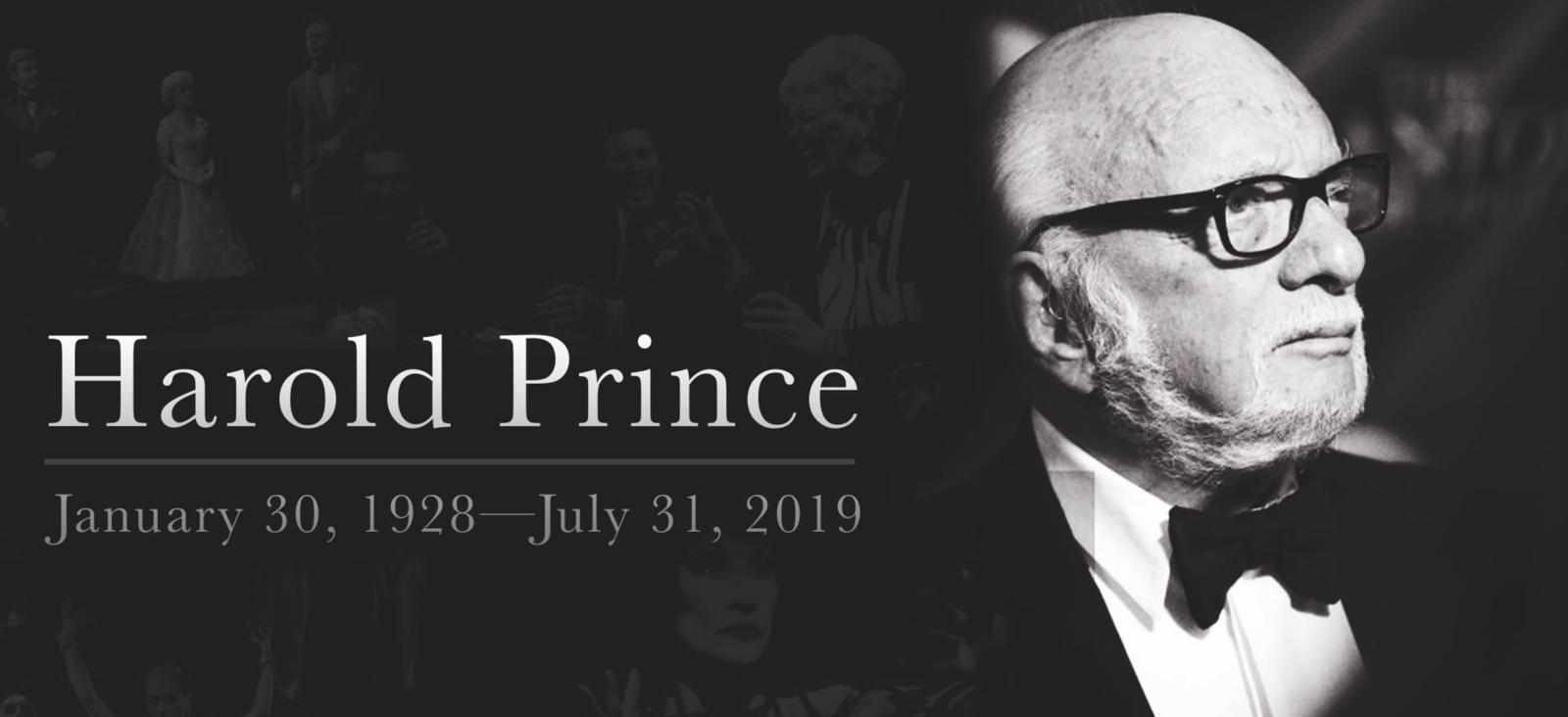
Consider that Follies, which had won seven Tonys at the 1972 awards ceremony in March, failed to get the desired bump at the box office and was gone by the Fourth of July. David Merrick, the once mighty producer, who often had numerous shows playing at once, was represented by just one, Sugar, the first musical adaptation of the comedy film gem Some Like It Hot. Harold Prince, who had closed the long-running Fiddler on the Roof the same weekend he shuttered Follies, was on the boards directing a limited engagement of Eugene O’Neill’s The Great God Brown. Joseph Papp, the King of off-Broadway, had recently closed the critically acclaimed David Rabe play, Sticks and Bones, which had started at his downtown Public Theatre, but still had three shows on Broadway (two imported from summer engagements in Central Park). At the March Tony ceremony, Papp took home the honors for producing the Best Play (Sticks and Bones) and the Best Musical (Two Gentlemen of Verona), a rare trick. The next season, Jason Miller's That Championship Season would win Best Play, and three years later, A Chorus Line won nine Tonys and the Pulitzer Prize, settling into the Shubert for a fifteen-year run.
For this column, I took the time to study the Sunday Arts & Leisure section of the December 10, 1972, New York Times and instantly got nostalgic for “the old days.” Fifty-three years is a long time, and so it’s no surprise to be astonished over how reasonable ticket prices were (top cost: $15). If you sat in the cheap seats, which is where I was always perched, it was cheaper at the time to see a Broadway show than a first-run film, which is unfathomable today.
And, for the record, I saw every one of these shows.

Okay, wait. I did not see Say When, nor have I have even heard of it. It played in the basement of the Plaza Hotel (the Plaza 9, as it was called), not one of my usual haunts. However, there's an interesting story about a tenant that took the space the following summer due to an extraordinary circumstance. The musical revue, El Grande de Coca Cola, a hit at the downtown Mercer Arts Center, had to move to the Plaza when, on August 3, 1973, the building it was playing in collapsed upon itself. The 123-year-old Broadway Central was, upon its construction, the largest hotel in North America. Its main floor had recently been renovated (as cheaply as possible), housing two theatres. Four cabaret theaters and a rehearsal space were on the second floor and dreams of it becoming an East Village Lincoln Center were not impossible ones.
Tragically, on the afternoon of August 3, 1973, the walls of the building began sagging and sounds of actual groaning alerted its inhabitants something was not right. Wise heads prevailed and the Center was evacuated at two-thirty with people dodging falling bricks as they made their exit. At five o’clock p.m., the eight-floor structure fell "like a pancake," as a fire chief told the New York Post, right out onto Broadway. Miraculously, the death total was kept to just four people. Eventually, NYU built a 22-story 625-unit graduate law student dorm on the property.
Another show with a successful run that ended due to the collapse of the Mercer Arts Center was a revival of One Flew Over the Cuckoo's Nest, an adaptation of the Ken Kesey novel by Man of La Mancha author Dale Wasserman. A year and a half into a successful run (its first time on Broadway was a failure), this Cuckoo's Nest helped pave the path for the multi-Academy Award winning film that came three years later. Fun fact: Danny DeVito played Martini in both versions.

Also off-Broadway in 1972, James Earl Jones was hired by Joseph Papp to make his directorial debut with Chekhov's The Cherry Orchard at the Public Theatre. Jones cast an all-Black company that featured Gloria Foster, Earle Hyman, Zaks Mokae, and Josephine Premise. (Phylicia Rashad, then Phylicia Ayers-Allen, was understudy for Varya and Masha). Of this project, Jones writes in his autobiography: "I do not know if it is true that all actors want to direct and all directors want to act, but in 1972 I tried directing and decided I had better stick to acting . . . for many painful reasons, I couldn't make the production work. Another director took over, and I played the role of Lopakhin."

On the same page as the Broadway ABC’s, a couple of ads in the corner are eye-catching. Check out the prices below where, at the Classic Stage Company $2 (student) or $3.50 (adult) would get you Pinter, Shakespeare, and Stoppard. CSC is still going strong, though on the lower East Side as opposed to the Upper, and tickets for their current Baker's Wife are a bit pricier going as high as $236. I mean!
Check out the Yiddish Theatre, still in bloom on West 46th Street, offering Rebbitzen in Israel, starring such stalwarts as the husband-and-wife team of Pesach Burstein and Lillian Lux. Revival cinemas were plentiful in the days before VCR's (now streaming) knocked them all to kingdom come. The Elgin, here playing a Marx Brothers double feature, is still standing and houses the beautiful Joyce Dance Theatre on 8th Avenue and 19th Street. And the groundbreaking Negro Ensemble Company's production of The River Niger would eventually move to Broadway and win Joseph A. Walker the 1974 Tony Award for Best Play, the first Black writer ever so honored.

There was also a near half-page ad for an off-Broadway musical called The Bar That Never Closes. This was one of many in a series of risqué (and supposedly shocking) shows in the late 60s and early 70s that, for the most part, all failed, save for Oh! Calcutta!

Read these pull quotes carefully. The first three are what you'd expect, but as you go down the page, you must give the producers credit for including the negative comments. "Devised in a Public School Lavatory!", "These People Are a Menace to the Public Welfare!" and my favorite "Most of the Men Seem to Be Women" (this from Clive Barnes in the New York Times—who liked it). Incidentally, the Astor Place Theatre is where Blue Man Group recently closed after a run of thirty-one years.
I was also struck by how many film versions of plays were in theaters. Check out this list: Sleuth, Child's Play, Play it Again, Sam, Man of La Mancha, Avanti and Fiddler on the Roof, and those wonderful revival screens were offering Pygmalion, Dumbo, Anna Karenina (with Garbo), The Philadelphia Story, Gate of Hell and Rashomon (a Kurosawa double feature at the long-gone Upper West Side Thalia Theatre, near where I live)... even Gone With the Wind was in first-run theaters on a re-release. Oh, and finally, 1776 at the Radio City Music Hall, complete with a holiday stage show recreation of the Nativity (which I'm guessing the Rockettes sat out).
Treasures galore.
A few random thoughts on the Broadway season including some quotes from the reviews I wrote after every show I saw (mind you, I was a teenager):
* The Circle in the Square Theatre opened in 1972 and its first production was Mourning Becomes Electra, Eugene O'Neill's gloomy tragedy. In my review (written when I was fifteen, mind you), I wrote: "The show lasted 3 1/2 hours which is quite a long time." Translation? I probably fell asleep.
* Russian dramatist Maxim Gorky's 1906 Enemies at Lincoln Center, directed by Ellis Rabb, offered a sterling cast in a rarely produced play. It gave me the opportunity to see Barbara Cook in an unfamiliar dramatic role. I wrote: "Joseph Weissman gives a tremendous performance as well as equally trembling performances by Philip Bosco, Nancy Marchand, Frances Sternhagen and Christopher Walken."
"Equally trembling?"
* Bob Fosse's staging of Pippin was nothing short of electrifying. When Ben Vereen took a red handkerchief out of the floor and pulled up an entire set, my jaw dropped (Tony Walton at his most inventive). I wrote: "Ben Vereen is fantastic. His Tony Newley hand movements and Gene Kelly-like leg movements made his body nothing but jelly out of the jar."
* Alan Bates stumbling about, hungover and morosely hilarious in Simon Gray's Butley, can be seen its movie version as part of the American Film Theatre experiment of the 1970s. But you really had to see him on stage to understand how truly wonderful he was in this role. He won the Tony for Best Actor and repeated for his turn in Ivan Turgenev's Fortune's Fool in 2002. To this day, the longest span (twenty-nine years) between Tonys for an actor. Sadly, he died in 2003 a year later at the age of sixty-nine, robbing us of more great work.
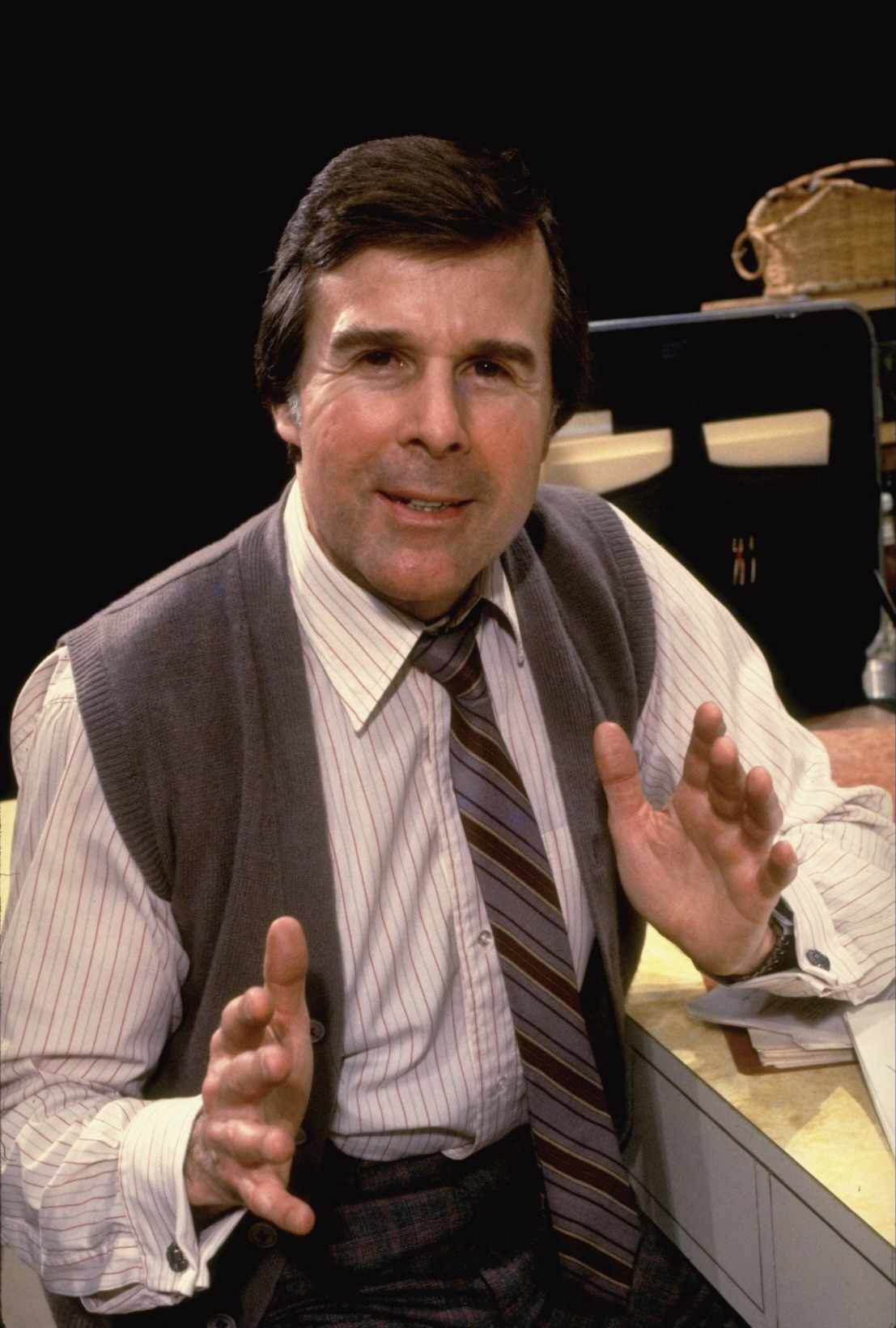
* Two extraordinary clowns graced the stages at the same time: John McMartin as Sganarelle in Moliere's Don Juan and Robert Morse in Sugar. Irreplaceable, one-of-a-kind artists who happily kept on working into old age, but both passed away over the last few years. McMartin's final show was Robert Schenkkan's Tony Award winning All the Way, and Morse dazzled once again in a cameo role in the all-star Jack O'Brien revival of The Front Page. This shot of him taking his bow while John Slattery and Nathan Lane look on is a very special photo, indeed.

How lucky I was to see some of my favorite actors give performances that linger in memory: the radiant beauty of Julie Harris (The Last of Mrs. Lincoln); the outrageous antics of Jack Albertson and Sam Levene (The Sunshine Boys), the blunt rage of Charles Durning (That Championship Season), the effortless grace of Bobby Van and Helen Gallagher (No, No, Nanette), the comic timing of Jerry Orbach and Jane Alexander (6 Rms Rv Vw), and the inimitable Zoe Caldwell as Eve (yes, that Eve) in The Creation of the World and Other Business, an otherwise altogether comedic misfire from Arthur Miller.
I guess opening this column citing diminishing returns now seems somewhat ridiculous when you add up the highlights of the full season that still were on display in December of 1972. I'd travel back in that time machine right now if given a chance. And if I had only two shows to pick for a matinee and evening, I would choose one thing I didn't see (and haven't mentioned), which was Hume Cronyn and Jessica Tandy at the Forum (now the Newhouse) at Lincoln Center performing in two Samuel Beckett plays, Not I and Krapp's Last Tape, and the one I'd see again would be Sugar, to once again see Robert Morse, a dear friend I had to say goodbye to in 2022.

Ron Fassler is the author of The Show Goes On: Broadway Hirings, Firings and Replacements. For news and "Theatre Yesterday and Today" columns when they break, please hit the FOLLOW button.




Write a comment ...